Western Sydney Has Changed: Has Your Accommodation Caught Up?
For a long time, many visitors treated Western Sydney as somewhere to pass through, work in, or visit briefly before returning closer to the harbour. That view now feels out of date. The region has grown into one of greater Sydney’s most active centres of business, culture, dining, sport, education, healthcare, and events. Parramatta sits at the centre of that shift, not as a secondary option, but as a destination with its own gravity.
That changes the accommodation decision. Booking a hotel near Parramatta is no longer a compromise made for convenience. For many travellers, it is the smarter way to experience the city they are actually visiting. If the meeting, event, family occasion, university visit, stadium trip, or weekend plan is based in the west, staying nearby is not settling. It is paying attention.
Parramatta has always carried history, but its current energy feels forward-looking. Office towers, riverside walks, public spaces, restaurants, theatres, transport links, and major developments have changed the rhythm of the area. It is busy without trying to imitate the CBD. It has its own pace, its own audience, and its own reason for being. That matters because strong destinations do not need to borrow relevance from somewhere else.
Western Sydney also asks visitors to think differently about scale. Greater Sydney is not one compact city with everything orbiting the harbour. It is a network of centres, each serving different lives and different kinds of travel. A person attending meetings in Parramatta, visiting family in the Hills, going to an event at Sydney Olympic Park, or exploring the region’s food scene may gain very little from staying in the traditional centre. The map may look familiar, but the experience often becomes harder than it needs to be.
A hotel near Parramatta puts travellers closer to the version of Sydney that is growing fastest. There is business density, government activity, health and education precincts, major sporting and entertainment venues within reach, and a dining culture shaped by the communities that make Western Sydney so distinct. Proximity becomes valuable because it allows the trip to feel less fragmented. The day does not have to begin with a long transfer or end with another journey across the city.
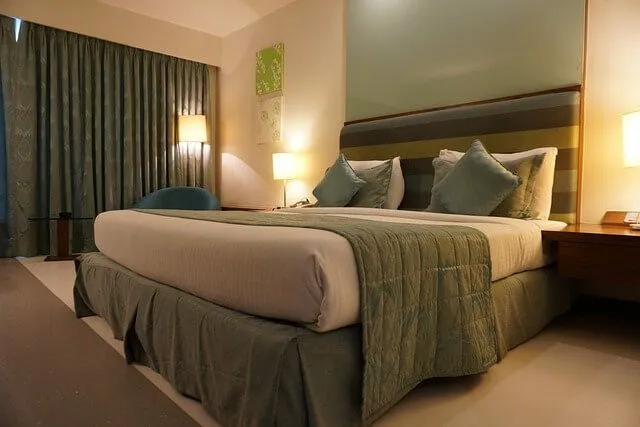
Image Source: Pixabay
There is also more to do than some outdated assumptions allow. Parramatta and its surrounds offer theatre, sport, riverside spaces, heritage sites, modern restaurants, relaxed cafés, shopping, and access to neighbouring business and event hubs. The appeal is not only functional. It is practical and cultural at the same time. Visitors can come for work and still find a good dinner nearby. They can attend an event and make a weekend of it. They can stay close to family without feeling removed from city life.
This shift is especially clear for repeat visitors. Once someone has dealt with unnecessary transfers, late returns, and the strange feeling of staying far from the real purpose of the trip, the old habit starts to lose its logic. The smarter choice is often the one that shortens the day, supports better plans, and lets the surrounding area become part of the visit rather than a place to leave quickly.
The strongest case for Western Sydney is not that it is “just as good” as somewhere else. That misses the point. Its value is different. It is connected, growing, diverse, and increasingly central to how Sydney actually works. For many travellers, it offers a more accurate base than the old default.
Accommodation should follow the purpose of the trip. If Western Sydney is where the day unfolds, then staying near it makes the whole visit easier, fuller, and more rewarding. A hotel near Parramatta gives that choice the seriousness it deserves. Greater Sydney has changed. The next booking should reflect that.

Comments