A Food Lover’s Guide to Discovering True Catalan Flavours in the Heart of Manchester
Manchester often surprises people with how quickly it welcomes new tastes, and Catalan cooking seems to settle into the city with an ease that feels natural. Many diners wander in expecting familiar Mediterranean notes, yet they often leave with something warmer in mind. The food carries stories from coastal towns, mountain villages, and family tables where each dish grows from patience and memory. This guide explores how those flavours take shape in the city and how anyone curious about Spanish regions can find something meaningful on their plate.
The search usually begins with a place that understands the heart of the cuisine. A Spanish restaurant in Manchester does not only serve plates; it tries to recreate the feeling of a shared table, where dishes pass from one hand to another. Catalan flavours follow this idea closely. They lean on honest ingredients, simple combinations, and methods that depend on time rather than complexity. A diner might not realise at first how much of the cooking centres on slow preparation, yet the moment the food reaches the table, the depth becomes clear.
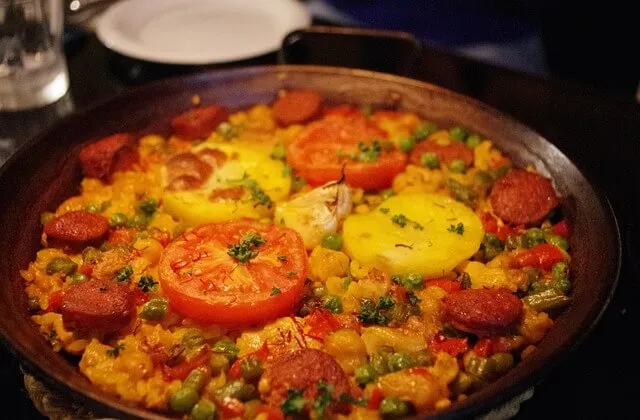
Image Source: Pixabay
Tomato bread often starts the experience. It lacks grand presentation, yet its charm tends to catch people off guard. The crisp bread, brushed with ripe tomato and a hint of olive oil, offers a first taste of Catalonia without trying too hard. It teaches something subtle: flavour can stand out even when built from very little. Many first-time visitors sense that this region values balance more than spectacle.
From there, the dishes often move toward bolder notes. Suquet, a traditional fish stew, brings together seafood, saffron, and potatoes in a broth that carries both comfort and character. It may appear modest, but each spoonful reveals layers shaped by long simmering. In Manchester, chefs who honour Catalan roots work carefully to keep the dish close to its origins while adjusting slightly for local produce. They avoid shortcuts because the dish loses itself when rushed.
Another favourite, escalivada, uses roasted peppers, aubergine, and onions to create something that feels both smoky and smooth. Some diners describe it as soothing, others say it tastes like a quiet evening by the coast. It rarely lands the same way for everyone, which shows how Catalan cuisine often leaves space for personal feeling.
Paella usually arrives later in the meal. While the dish comes from Valencia, it remains a welcome guest on Catalan tables. Its place in Manchester’s Catalan-inspired spots grows from its social nature. People gather around the pan, watching as the rice catches the flavours of stock, saffron, and fresh ingredients. A well-made paella never shouts; it speaks gently and draws people in. Restaurants that respect Spanish cooking traditions understand this and guide diners toward enjoying the dish at a slower pace.
Wine also plays a part in the experience. Catalonia produces bottles that sit comfortably beside seafood, meats, and vegetables. A light cava lifts fried dishes, while deeper reds match the smoky notes of grilled meats. Servers in a Spanish restaurant often recommend these pairings with care, hoping diners taste the harmony rather than the alcohol alone.
Dessert rarely tries to overwhelm. Crema Catalana finishes the meal with soft sweetness and a gentle hint of citrus. The crack of the caramelised top gives a small moment of theatre before the spoon dips in. It feels familiar yet new, which seems to mirror how Manchester receives Catalan dishes as a whole.
What makes the entire experience special is not one dish but the way everything links together. Catalan food suggests a rhythm rather than a sequence. Slow moments mix with lively ones, and each plate supports the next. The city setting adds its own touch, giving space for tradition to breathe without losing its roots.
Diners often return not just for the flavours but for the feeling of being part of something welcoming. A Spanish restaurant that honours Catalan cooking gives people a place to pause, taste, and connect. It may not promise perfection, yet it offers sincerity, and that is often more memorable than anything else.

Comments